Standing in the hardware store aisle, staring at shelves of traps, sprays, and bait stations, you might wonder: can I handle this pest problem myself, or is it time to call in the pros? It's a question nearly every homeowner faces at some point. The answer isn't always straightforward—it depends on the pest, the severity of the infestation, and your own comfort level. Let's walk through what you need to know to make the smartest choice for your home and family.
DIY Pest Control: What Works and What Doesn't
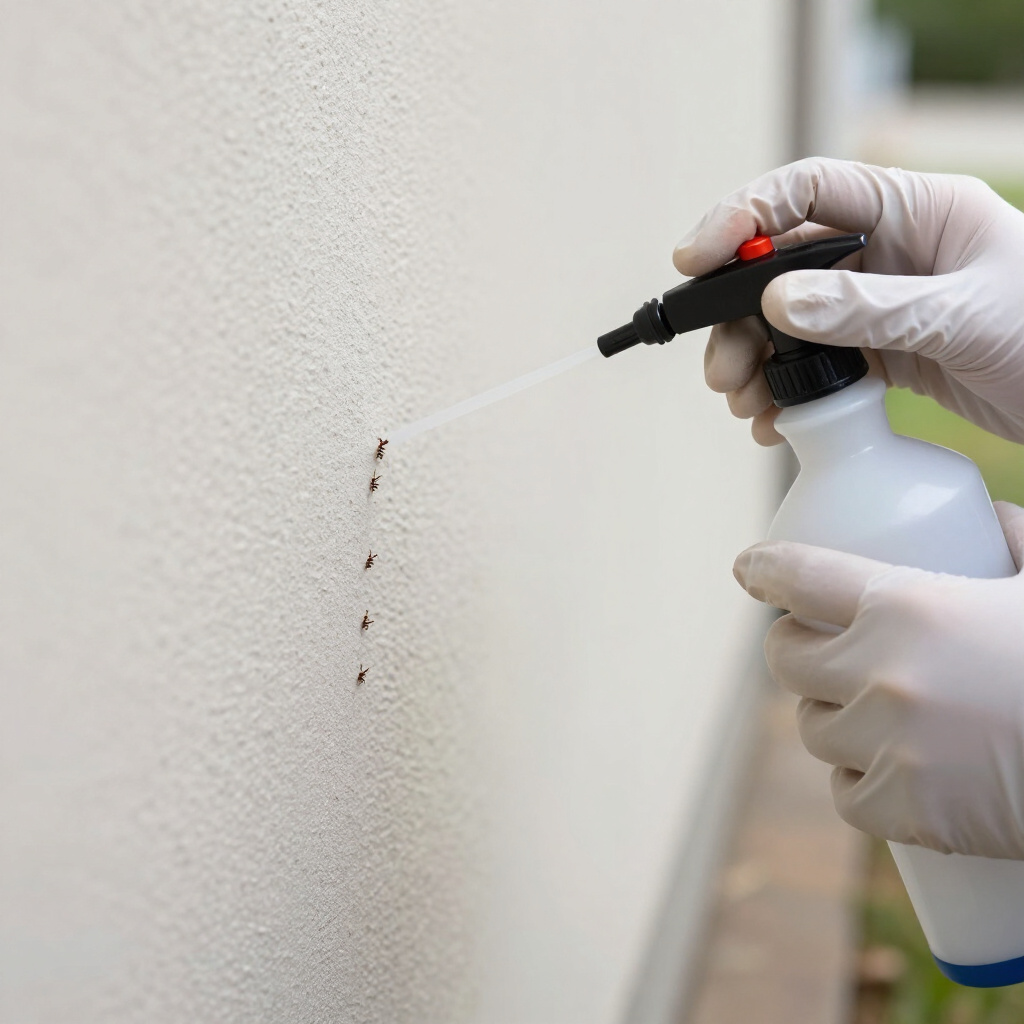
DIY pest control can be surprisingly effective for minor, isolated problems. A single ant trail marching across your kitchen counter, a stray spider in the basement, or a wasp nest that's just beginning to form—these are scenarios where taking matters into your own hands often makes perfect sense.
The advantages of DIY approaches are clear. You'll save money on service fees, address the problem immediately rather than waiting for an appointment, and maintain complete control over what products enter your home. For environmentally conscious homeowners, DIY also allows you to select exactly which treatments you're comfortable using around children and pets.
Store-bought options have improved dramatically in recent years. Gel baits for ants and cockroaches work by having workers carry poison back to the colony, addressing the source rather than just the symptoms. Pheromone traps can monitor and reduce pantry moth populations. Diatomaceous earth provides a mechanical, non-toxic barrier against crawling insects. And simple exclusion methods—sealing cracks, improving screens, eliminating standing water—prevent problems before they start.
However, DIY pest control has real limitations. Misidentifying a pest leads to wrong treatments and wasted effort. Many homeowners undertreat, allowing populations to rebound stronger. Others overtreat, creating unnecessary chemical exposure. And some pests—termites, bed bugs, rodents with established nests—simply require expertise and tools that aren't available at retail.
Perhaps the biggest DIY pitfall is treating symptoms while missing the underlying cause. You might eliminate visible ants today while ignoring the moisture-damaged sill plate that's drawing carpenter ants to your foundation. Professionals are trained to think in terms of entire systems, not just individual pests.
When Professional Pest Control Becomes Essential
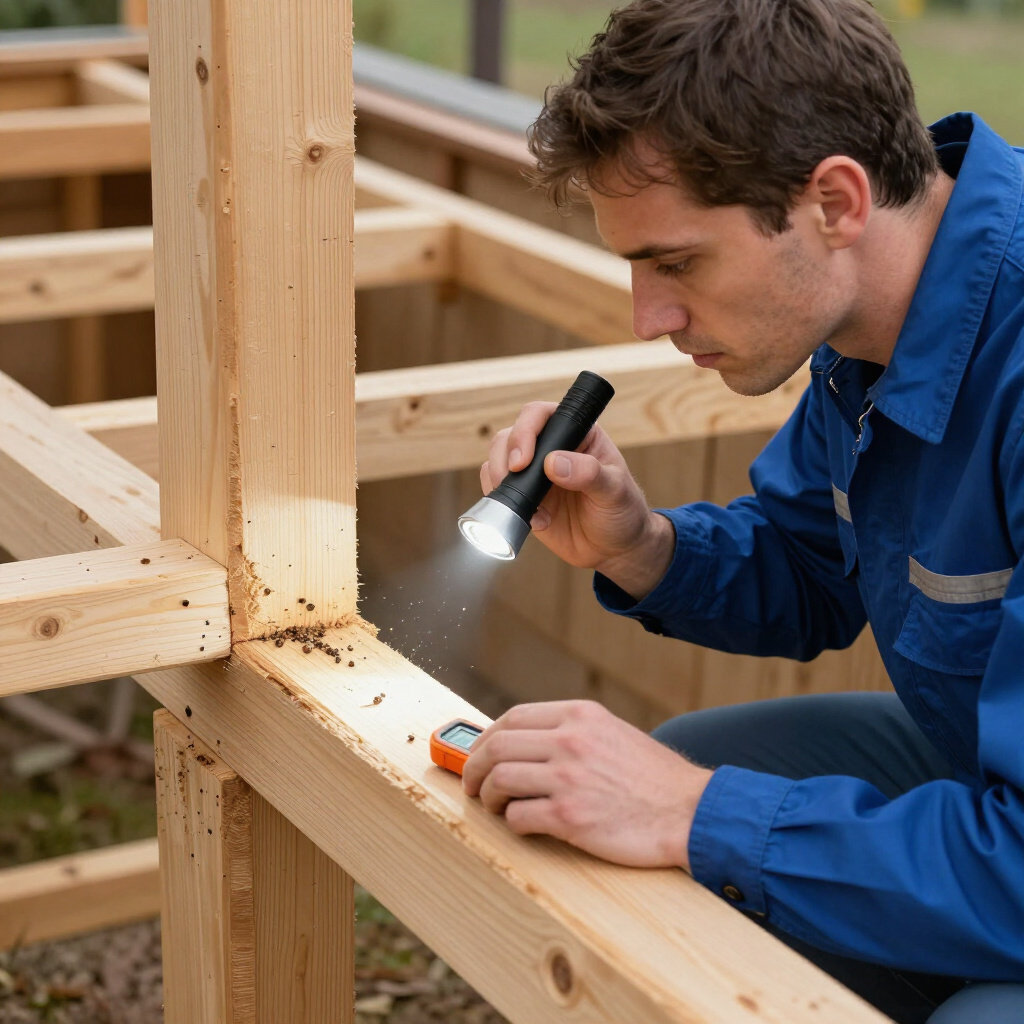
Certain situations demand professional intervention without question. Termite infestations threaten your home's structural integrity and require specialized inspection tools, treatment methods, and often regulatory compliance. Bed bugs have developed significant pesticide resistance and spread with alarming speed—a single female can produce 200-500 eggs in her lifetime. Rodent infestations pose fire risks from gnawed wiring and disease concerns that amateur trapping rarely resolves completely.
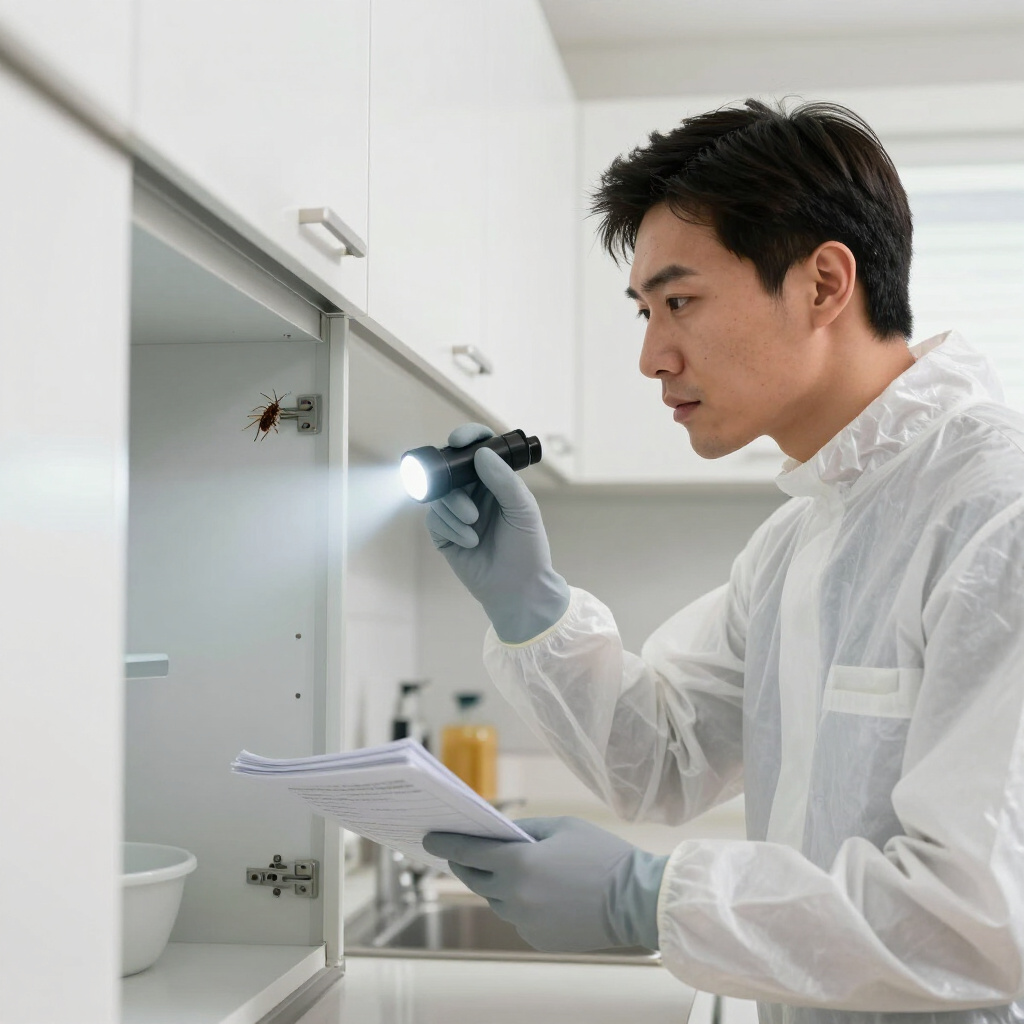
Professional pest control offers advantages that extend beyond stronger products. Trained technicians understand pest biology and behavior, allowing them to locate hidden nests and entry points you'd never find. They have access to commercial-grade treatments, including targeted application systems that minimize environmental impact while maximizing effectiveness. Perhaps most valuably, they provide ongoing monitoring and prevention strategies tailored to your specific property.
The expertise gap becomes especially apparent with complex infestations. A professional can distinguish between German and American cockroaches, each requiring different approaches. They recognize the subtle signs of carpenter ant damage versus termite activity. They understand seasonal pest patterns in your region and can anticipate problems before they develop.
Of course, professional service comes with ongoing costs. Initial treatments for serious infestations can be significant, and many companies push recurring service contracts that may exceed what your situation actually requires. The key is finding a reputable provider who explains their reasoning, offers treatment options, and focuses on solving your problem rather than maximizing their monthly revenue.
Making the Right Choice for Your Situation
Consider these factors when deciding between DIY and professional pest control. Start with identification confidence—are you certain what pest you're dealing with? Misidentified pests lead to failed treatments every time. Assess the infestation scope—localized or widespread, minor nuisance or escalating problem? Evaluate your time and tolerance—do you have hours to research, purchase, apply, and monitor treatments? Consider safety factors—are you comfortable handling pesticides, climbing ladders for nest removal, or dealing with potentially disease-carrying animals?
A practical middle ground exists that many homeowners overlook. Start with prevention and minor DIY management for routine issues. Establish a relationship with a trusted local pest control company for inspections and consultation—many offer free or low-cost initial assessments. If a problem emerges that's beyond your comfort or capability, you already know who to call without the pressure of emergency decision-making.
Some homeowners successfully combine approaches, handling seasonal maintenance themselves while bringing in professionals for annual termite inspections or when unusual problems arise. This hybrid strategy can provide excellent protection while controlling costs.
Key Tips for Either Approach
Whether you choose DIY or professional help, certain principles always apply. Prevention outweighs reaction every time. Eliminate food sources through proper storage and sanitation. Remove water access by fixing leaks and improving drainage. Seal entry points with attention to gaps as small as a quarter-inch. Maintain your landscape to reduce harborage areas near your foundation.
If going DIY, always read and follow label directions precisely—this is literally federal law for good reason. Start with the least toxic effective option. Keep detailed records of what you used, where, and when. Know when to escalate; three failed DIY attempts usually means it's time for professional backup.
If hiring a professional, verify licensing and insurance. Ask about their specific experience with your pest problem. Request a written treatment plan with clear expectations. Understand guarantees and follow-up protocols. Be wary of high-pressure sales tactics or quotes that seem dramatically lower than competitors—these often signal corners being cut.
Remember that the cheapest option, whether DIY or professional, rarely provides the best long-term value. A failed $30 store treatment followed by a delayed professional call often costs more than addressing the problem correctly from the start.
Final Thoughts
DIY pest control vs hiring a professional isn't an either-or proposition for most homeowners—it's about matching the right response to each situation. Minor, well-identified problems often yield to careful DIY management. Complex, threatening, or persistent infestations deserve professional expertise. The wisdom lies in honest self-assessment and knowing when your limitations matter less than solving the problem thoroughly.
Your home represents too significant an investment to gamble with half-measures. Start with solid prevention, build your knowledge for handling routine issues, and establish a relationship with qualified professionals before emergencies strike. With this balanced approach, you'll protect both your property and your peace of mind, keeping unwanted visitors outside where they belong.