
There's something uniquely unsettling about walking into a room and spotting a spider dangling from the ceiling or scurrying across the floor. While most household spiders are harmless and even helpful by eating other insects, that knowledge rarely calms the instinctive reaction many of us feel. The good news? You don't have to share your living space with them. With a few practical, proven strategies, you can make your home far less appealing to these eight-legged visitors and keep them where they belong—outside.
How to Keep Spiders Out of Your House by Sealing Entry Points
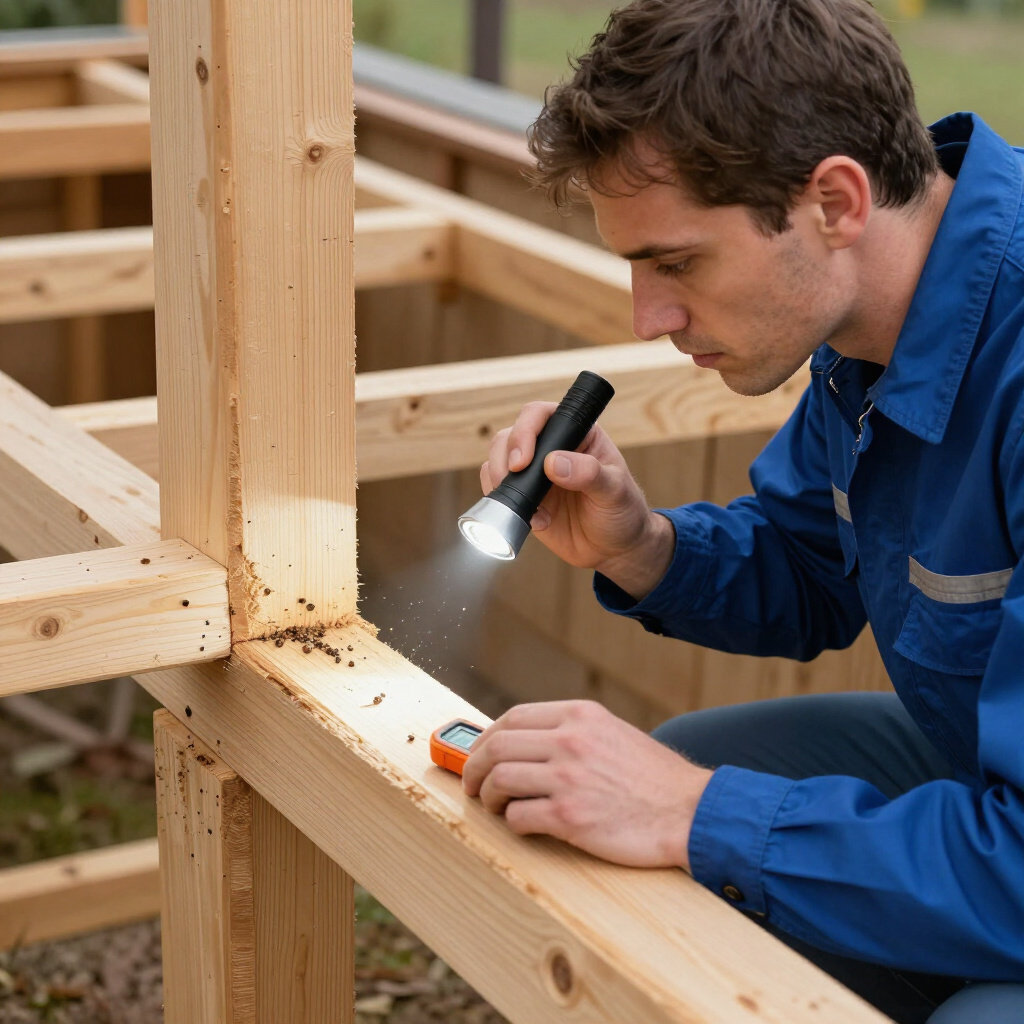
Spiders are master contortionists, capable of squeezing through gaps you'd barely notice. The most effective long-term solution starts with understanding how they get inside in the first place. Begin with a thorough inspection of your home's exterior, paying special attention to the foundation, windows, doors, and utility penetrations.
Walk around your home with a critical eye. Look for cracks in the foundation, gaps around pipes and wiring, torn window screens, and worn weatherstripping around doors. Even a gap the width of a pencil can serve as a welcome mat for spiders seeking shelter or following prey indoors. Seal cracks with silicone caulk, replace damaged screens, and install door sweeps if light is visible beneath your exterior doors.
Don't overlook your attic and crawl spaces. These areas often have vents that, while necessary for ventilation, can become entry points without proper screening. Cover attic vents and crawl space openings with fine mesh hardware cloth—standard window screen mesh is often too large to deter smaller spider species. Chimney flues should have intact caps, and any gaps around roof soffits deserve attention too.
The effort you put into sealing these access points pays dividends beyond spider control. Many other pests, from ants to mice, use the same highways into your home. Think of this step as building a comprehensive defense rather than a targeted fix.
Control the Environment That Attracts Spiders
Spiders don't enter homes randomly—they follow resources. Understanding what draws them inside gives you powerful leverage in keeping them out. Two primary attractants exist: prey insects and favorable habitat conditions.
First, address the food source. Spiders feed on flies, moths, mosquitoes, and other small insects. If your home has an active insect population, spiders will inevitably arrive to hunt. Reduce outdoor lighting that attracts night-flying insects, or switch to yellow "bug lights" that are less attractive to the insects spiders eat. Keep indoor spaces clean, store food properly, and manage moisture issues that support insect life.
Second, eliminate harborage areas both inside and outside your home. Indoors, spiders favor quiet, undisturbed spaces—behind furniture, in cluttered closets, along ceiling corners, and inside storage boxes. Regular cleaning and decluttering removes these safe zones and disrupts any webs before they become established nesting sites. Vacuum thoroughly, including corners, baseboards, and under furniture, and dispose of the vacuum contents outside promptly.
Outdoors, create a defensive perimeter. Keep firewood, compost bins, and rock piles at least twenty feet from your foundation—these are spider magnets. Trim shrubs and tree branches so they don't touch your home's exterior, eliminating natural bridges. Maintain a clean gutter system; clogged gutters hold moisture and decaying organic matter that supports entire food chains, spiders included.
Manage moisture diligently. Spiders, like most arthropods, need water and prefer humid environments. Fix leaky faucets, improve ventilation in damp basements, and use dehumidifiers where necessary. A drier home is inherently less hospitable to both spiders and their prey.
Key Tips for Ongoing Spider Prevention
Consistency matters more than any single dramatic action. Establish these habits to maintain a spider-resistant home year-round.
Inspect and refresh your exterior seals seasonally. Materials expand and contract with temperature changes, and caulk degrades over time. What was secure in autumn may have developed gaps by spring. Make perimeter sealing part of your seasonal home maintenance routine.
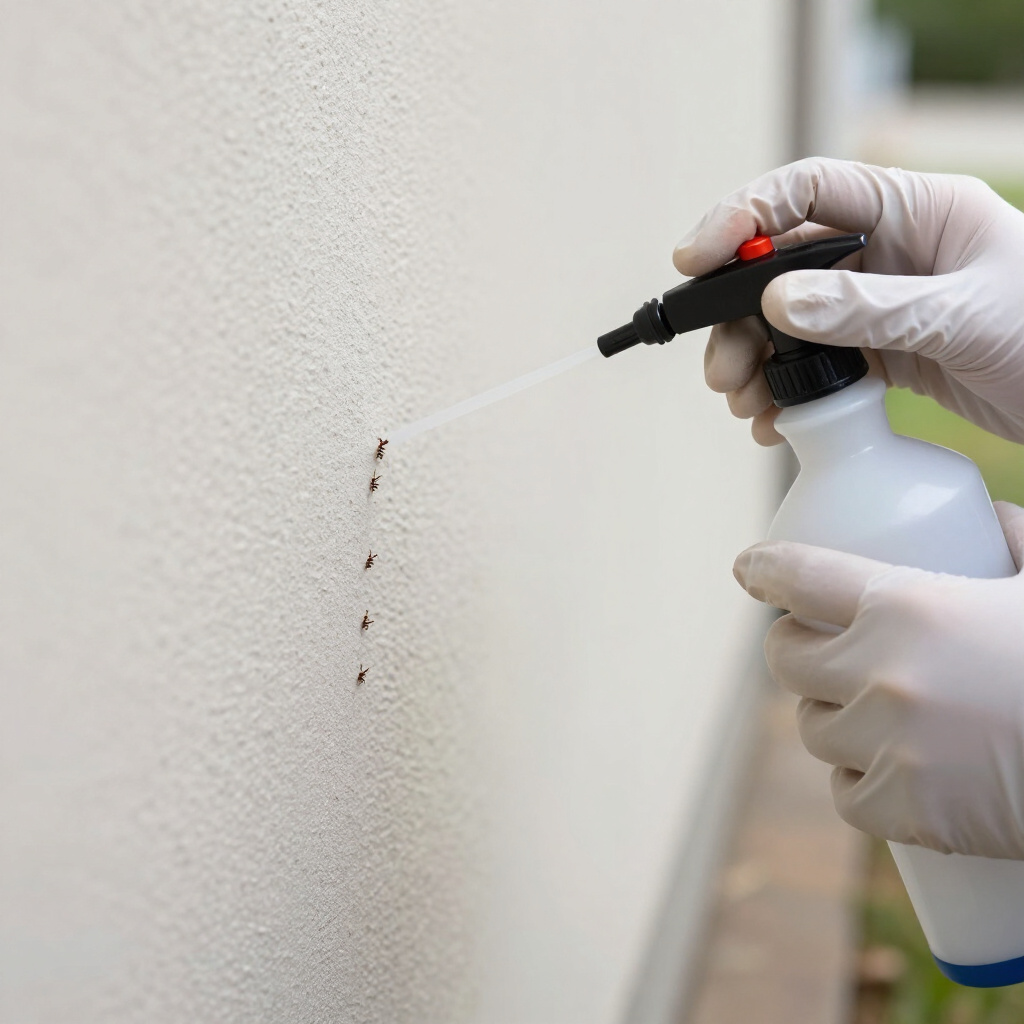
Apply appropriate treatments to exterior barriers when needed. Professional-grade residual insecticides applied to foundation walls, door frames, and window sills can significantly reduce spider crossings. Focus treatments on likely entry zones rather than broadcasting broadly. If you prefer to avoid synthetic chemicals, diatomaceous earth can be applied to dry perimeter areas as a desiccant barrier, though it requires reapplication after rain or irrigation.
Choose storage wisely. Cardboard boxes in basements and attics are spider condominiums—dark, quiet, with plenty of crevices. Replace them with sealed plastic containers. This simple switch eliminates countless potential harborage spots.
Address outdoor lighting strategy. Consider motion-activated fixtures rather than always-on illumination, or relocate lights away from doorways so insects (and following spiders) gather at a distance from your entry points.
Know when professional help becomes valuable. If you're experiencing persistent spider problems despite your efforts, or if you're dealing with venomous species like brown recluses or black widows, professional pest control brings targeted expertise, commercial-grade products, and systematic treatment approaches that resolve stubborn infestations safely.
Final Thoughts
Keeping spiders out of your house isn't about achieving perfect elimination—an occasional visitor is natural and expected in any home with connections to the outdoors. The goal is reduction to levels you find comfortable, achieved through smart prevention rather than constant reaction.
The most successful approach combines all three elements: physical exclusion through sealing, environmental management that removes attractions, and consistent habits that maintain your defenses over time. No single tactic stands alone. Spiders are persistent and adaptable, but so are you, and you have the advantage of understanding what they need and denying it to them.
Start with a weekend of sealing and decluttering, then build the maintenance habits that protect your progress. Your home should feel like yours alone—and with these strategies, it can.