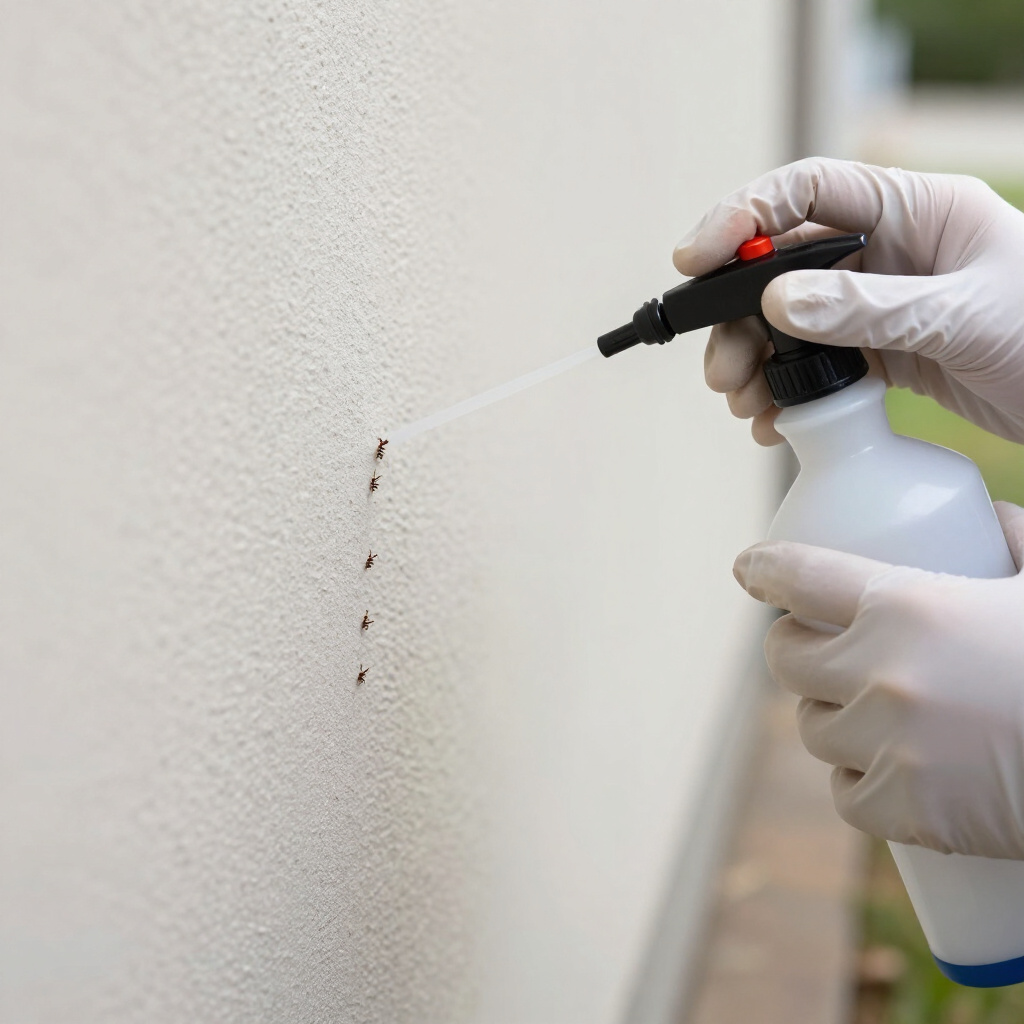


Few things are more frustrating than watching a steady trail of ants march across your kitchen counter. One moment your home feels peaceful; the next, you're spotting these tiny invaders near the sink, in the pantry, and along baseboards. The good news? You don't have to accept ants as an inevitable household nuisance. With the right preventive approach, you can make your home far less appealing to these persistent pests and stop problems before they start.
How to Prevent Ants From Invading Your Home Starts With Understanding Their Behavior
Ants don't randomly stumble into your house—they're following a mission. Worker ants leave scent trails for colony mates to follow, creating those visible highways of activity you see on your floors and walls. They're seeking three things: food, water, and sometimes shelter. Understanding this motivation is your first defense.
Different ant species behave differently, too. Sugar ants swarm to sweet spills and crumbs. Grease ants (often called thief ants) prefer protein and fatty foods. Carpenter ants tunnel through damp wood and can cause structural damage over time. Knowing what you're dealing with helps you target your prevention efforts more effectively.
Pay attention to seasonal patterns. Ant activity typically surges in spring and summer when colonies become active and food demands increase. However, some species will invade during fall as they seek warmth before winter. Year-round vigilance matters more than seasonal panic.
Seal Entry Points Before Ants Find Them
Ants are remarkably resourceful at finding ways inside. A crack the width of a pencil lead can serve as a highway for an entire colony. Your job is to make entry as difficult as possible.
Start with a thorough exterior inspection. Walk around your home's foundation and look for gaps where utility lines enter, cracks in concrete or brick, damaged weatherstripping around doors, and gaps around windows. Don't forget to check where siding meets the foundation—this junction often develops small openings over time.
Seal identified gaps with appropriate materials. Silicone caulk works well for small cracks and gaps. Steel wool stuffed into larger openings before sealing adds extra deterrence, as ants struggle to chew through it. Replace worn door sweeps and weatherstripping promptly. Repair torn window screens, and consider fine mesh screens for vents if ant problems persist.
Indoor sealing matters too. Check along baseboards, around plumbing penetrations under sinks, and behind appliances where walls meet floors. These hidden routes often go unnoticed until ants establish regular traffic patterns.
Eliminate Food Sources That Attract Ants
The most powerful ant prevention strategy is also the simplest: remove what they're coming for. Ants possess incredibly sensitive odor receptors and can detect food sources from surprising distances. Your kitchen habits make the difference between an ant-free home and an ongoing battle.
Store food in airtight containers, not original packaging. Cardboard boxes and thin plastic bags won't stop determined ants. Glass, metal, and heavy-duty plastic containers with tight seals protect everything from flour and sugar to pet food and birdseed.
Clean as you go, especially in food preparation areas. Wipe counters after every meal preparation. Don't let dirty dishes sit overnight—soaking dishes still release food odors that attract scouts. Sweep floors daily in dining and kitchen areas, and mop weekly with a vinegar solution that removes scent trails.
Manage your trash thoughtfully. Use bins with tight-fitting lids. Take garbage out regularly, particularly food waste. Rinse recyclable containers before storage, as residue from soda cans and food jars draws ant attention. Keep outdoor garbage cans away from house walls when possible, and ensure lids seal completely.
Pet food deserves special attention. Don't leave bowls out continuously—establish feeding times and remove uneaten food after thirty minutes. Store pet food in sealed containers, not open bags. Clean bowls regularly, as the residue at the bottom attracts ants even when food isn't visible.
Key Tips for Long-Term Ant Prevention
Beyond the fundamentals, several targeted strategies strengthen your defenses significantly.
Control moisture throughout your home. Ants need water, and damp areas become gathering points. Fix leaky faucets and pipes promptly. Ensure bathrooms ventilate properly after showers. Address condensation issues around windows and in basements. Direct downspouts away from foundations, and maintain proper grading so water drains away from your home's base.
Landscaping choices affect indoor ant pressure. Trim tree branches and shrubs so they don't touch your house—these serve as bridges for ants to bypass ground-level barriers. Keep mulch and decorative bark several inches away from foundations; these materials retain moisture and harbor ant colonies. Consider stone or gravel barriers immediately adjacent to walls. Stack firewood away from the house and elevate it off the ground.
Be strategic with natural deterrents. While not solutions on their own, certain substances can supplement your efforts. Vinegar disrupts scent trails when sprayed along ant pathways. Diatomaceous earth creates abrasive barriers that dehydrate crawling insects. Cinnamon, peppermint oil, and citrus peels have limited repellent properties but require frequent reapplication. Use these as supporting tactics, not primary defenses.
Know when professional intervention becomes necessary. If you're seeing ants consistently despite thorough prevention efforts, or if you discover carpenter ants or large colonies, professional pest control provides targeted solutions. Experts can identify species accurately, locate hidden nests, and apply treatments safely in ways that protect your family and pets.
Final Thoughts
Preventing ant invasions isn't about a single dramatic action—it's about consistent habits and attention to detail. Seal entry points methodically. Eliminate food and water attractions through disciplined daily practices. Maintain your property's exterior to reduce harborage opportunities nearby. When prevention needs reinforcement, don't hesitate to seek professional guidance.
The effort you invest in prevention pays dividends in peace of mind. A home free from ant trails means food stays safe, surfaces stay clean, and you avoid the stress of fighting recurring infestations. Start with one or two strategies today, build them into routines, and expand your defenses over time. Your future self will thank you when neighbors are battling summer ant swarms and your kitchen remains quietly, comfortably pest-free.