

Few things disrupt the comfort of home quite like discovering unwanted guests scurrying across your kitchen floor or hearing scratching in your walls at night. Household pests don't just trigger that instinctive shudder—they can damage your property, contaminate food, and even pose health risks to your family. The good news? Most infestations are entirely preventable with the right knowledge and consistent habits. Whether you're dealing with a current problem or simply want to keep your home pest-free, understanding what attracts these common invaders is your first line of defense.
Most Common Household Pests and How to Prevent Them
The pests that invade our homes vary by region and season, but certain culprits show up almost everywhere. Ants top the list for sheer persistence, with species like odorous house ants and carpenter ants exploiting even the tiniest cracks to access food and moisture. Cockroaches thrive in warm, humid environments and multiply with alarming speed once established. Rodents—mice and rats—seek shelter, nesting materials, and consistent food sources, often entering through gaps as small as a dime. Termites work silently, causing billions in structural damage annually before homeowners ever notice their presence. Mosquitoes breed in standing water around your property, while spiders, though often beneficial predators, become pests when they invade living spaces in large numbers. Finally, bed bugs hitchhike into homes on luggage, furniture, or clothing, spreading rapidly through multi-unit buildings.
Each pest follows predictable patterns. Ants leave chemical trails for colony members to follow. Cockroaches prefer tight harborages near food and water. Rodents are creatures of habit, using the same travel routes repeatedly. Understanding these behaviors transforms pest control from reactive panic into strategic prevention.
Prevention Strategies That Actually Work
Effective pest prevention rests on three pillars: exclusion, sanitation, and moisture control. Exclusion means sealing your home's perimeter against entry. Inspect foundation walls, utility penetrations, door sweeps, and window screens seasonally. Use steel wool or copper mesh paired with caulk for rodent-prone gaps—mice can compress their bodies and gnaw through softer materials. Install door sweeps with proper contact against the threshold, and repair torn screens promptly.
Sanitation eliminates the food incentives that draw pests indoors. Store dry goods in airtight glass, metal, or thick plastic containers—not the thin plastic bags pests chew through easily. Clean pet food dishes nightly and avoid leaving food out. Take garbage out regularly and use cans with tight-fitting lids. Even small crumbs beneath appliances or inside cabinet corners sustain cockroach populations when other resources disappear.
Moisture control addresses what many homeowners overlook. Fix leaky faucets, running toilets, and condensation issues under sinks. Ensure bathroom exhaust fans vent properly and run during showers. Grade soil away from your foundation to prevent water accumulation. Termites particularly favor moist wood-to-soil contact, so maintain proper clearance between siding and mulch or soil lines. Eliminate standing water in gutters, birdbaths, plant saucers, and yard debris to interrupt mosquito breeding cycles.
For specific threats, add targeted measures. Store firewood at least twenty feet from your home and elevate it off the ground to reduce termite and ant harborage. Vacuum frequently to remove spider webs, egg sacs, and the insect prey that attracts them. When traveling, inspect hotel mattresses and keep luggage on racks rather than floors or beds to avoid bringing home bed bugs.
Key Tips for Long-Term Success
Consistency matters more than intensity in pest prevention. A single deep clean won't compensate for months of neglected maintenance. Create a seasonal inspection routine: spring for exterior perimeter checks and mosquito source elimination, summer for monitoring moisture and vegetation contact with your home, fall for sealing entry points before rodents seek winter shelter, and winter for interior monitoring when pest activity concentrates indoors.
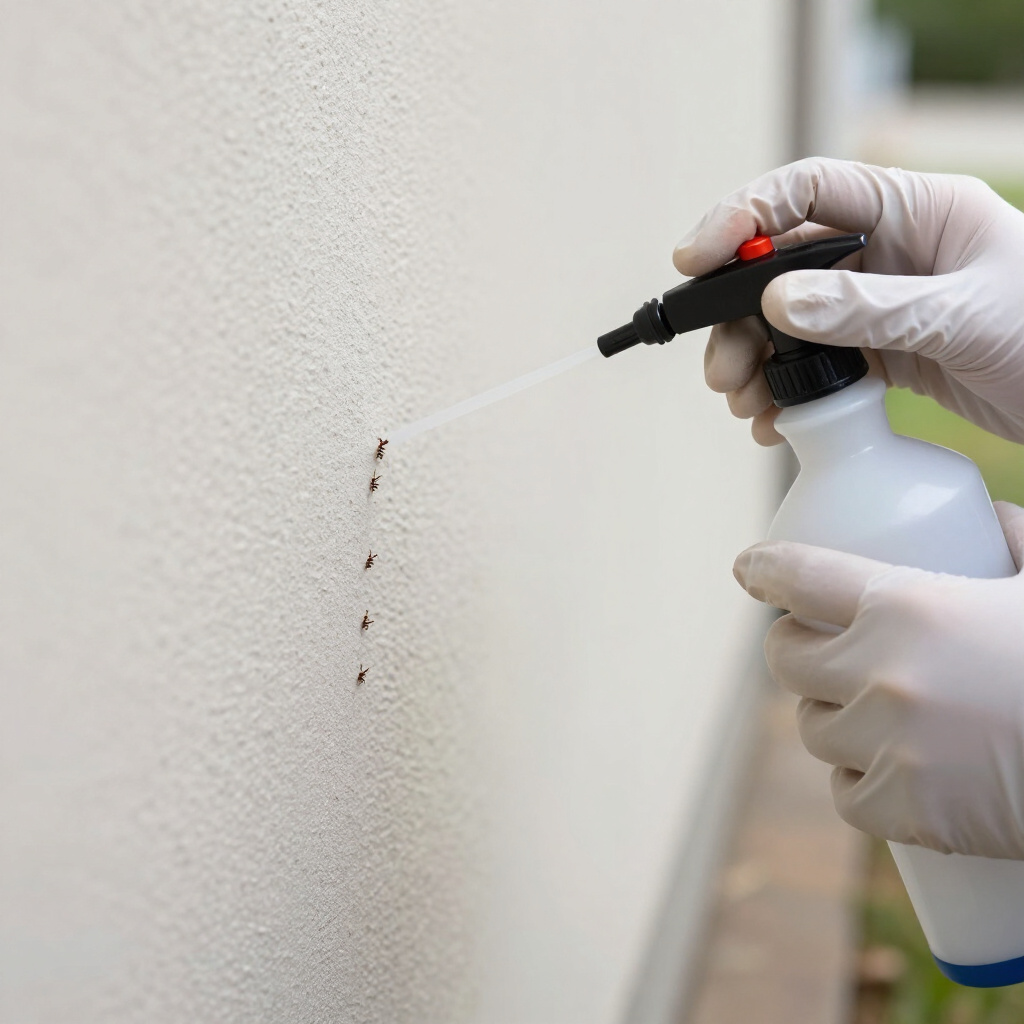
Resist the temptation to rely solely on over-the-counter sprays. These often scatter pests rather than eliminate them, and misuse can expose your family to unnecessary chemicals. Bait formulations for ants and cockroaches typically outperform sprays because workers carry the active ingredient back to the colony. For rodents, snap traps placed perpendicular to walls along established runways prove more effective than poison, which risks secondary poisoning of pets or wildlife and doesn't prevent odor issues from rodents dying in inaccessible spaces.
Know when professional intervention becomes necessary. Extensive termite mud tubes, multiple rodent sightings, persistent cockroach activity despite your efforts, or any bed bug evidence warrant expert assessment. Licensed pest control professionals possess access to targeted treatments, application equipment, and diagnostic expertise that resolve established infestations more thoroughly and safely than DIY attempts alone.
Landscape choices also influence pest pressure. Keep shrubs and tree branches trimmed back from your roof and walls to eliminate bridges for ants, rodents, and overwintering pests. Avoid dense ground cover directly against foundations where moisture accumulates and rodents tunnel. Consider pest-resistant plant varieties for beds near your home's perimeter.
Final Thoughts
Most Common Household Pests and How to Prevent Them comes down to making your home fundamentally unappealing to invaders while closing the physical access they exploit. No prevention strategy offers absolute guarantee, but the combination of diligent exclusion, rigorous sanitation, and proactive moisture management dramatically reduces both the likelihood and severity of infestations. The investment you make in these habits protects not just your property value but your family's health and peace of mind. Start with one area this week—perhaps sealing kitchen gaps or inspecting your foundation—and build your defense systematically. A pest-free home isn't achieved through luck or periodic panic; it's the natural result of informed, consistent care.