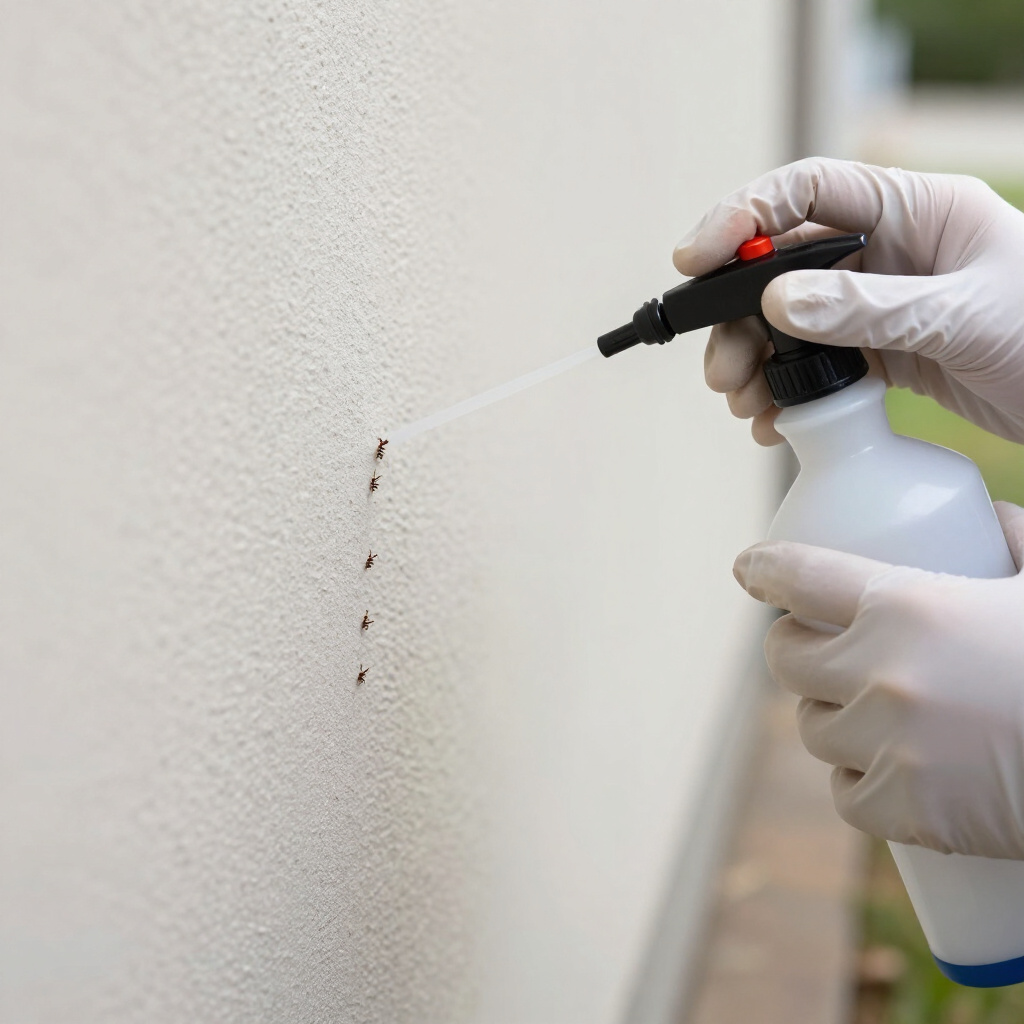


When ants march across your kitchen counter or aphids cluster on your tomato plants, reaching for harsh chemicals isn't your only option. Natural pest control methods have earned their place as effective, family-safe alternatives that work with nature rather than against it. Whether you're protecting your home, garden, or both, these proven strategies can help you reclaim your space without introducing toxic substances into your environment.
Natural Pest Control Methods That Actually Work in Your Home
The foundation of successful indoor pest management starts with understanding what attracts unwanted visitors in the first place. Pests seek food, water, and shelter—eliminate easy access to these, and you've already won half the battle.
Essential oils serve as powerful natural deterrents when used strategically. Peppermint oil repels spiders and mice, while tea tree and eucalyptus oils discourage ants and cockroaches. Mix 15-20 drops with water in a spray bottle and apply along baseboards, windowsills, and entry points. Reapply weekly or after cleaning for consistent protection.
Food-grade diatomaceous earth deserves a permanent spot in your natural pest control toolkit. This powdery substance, made from fossilized aquatic organisms, damages the exoskeletons of crawling insects like ants, silverfish, and bed bugs. Sprinkle a thin layer in areas where pests travel—behind appliances, under sinks, and along basement foundations. It remains effective as long as it stays dry, making it ideal for low-moisture zones.
Physical barriers and traps complement these methods beautifully. Sticky traps catch pantry moths and crawling insects, while pheromone traps disrupt breeding cycles. For rodents, ultrasonic repellents and strategically placed steel wool in gaps provide chemical-free deterrence.
Natural Pest Control Methods That Actually Work in Your Garden
Your outdoor spaces offer even more opportunities for natural intervention, leveraging beneficial relationships between plants and insects.
Companion planting transforms your garden into a self-defending ecosystem. Marigolds release compounds that repel nematodes and whiteflies. Nasturtiums act as trap crops, drawing aphids away from vegetables. Basil planted near tomatoes deters hornworms and flies, while chives and garlic discourage Japanese beetles and aphids from roses and fruit trees.
Beneficial insects provide biological control without any effort beyond creating welcoming conditions. Ladybugs consume up to 50 aphids daily. Lacewings prey on caterpillars, thrips, and mealybugs. Parasitic wasps target tomato hornworms and squash bugs. Attract these allies by planting dill, fennel, yarrow, and cosmos—plants that provide nectar and pollen when pest populations are low.
Homemade sprays address active infestations effectively. A simple soap spray—one tablespoon of pure castile soap per quart of water—suffocates soft-bodied insects like aphids, spider mites, and whiteflies on contact. For chewing insects, blend a garlic hot pepper spray: steep minced garlic and hot peppers in water overnight, strain, add a drop of soap, and spray affected plants. Apply in evening hours to avoid harming beneficial insects and burning foliage.
Neem oil stands out as a versatile botanical insecticide derived from the neem tree. It disrupts feeding and growth in over 200 pest species while remaining relatively harmless to pollinators when applied correctly. Use it against squash bugs, cucumber beetles, and fungal diseases like powdery mildew.
Key Tips for Maximum Effectiveness
Natural methods require thoughtful application to match or exceed conventional results. Start with accurate pest identification—treating for ants when you actually have odorous house ants versus carpenter ants demands different approaches. Misidentification leads to wasted effort and persistent problems.
Timing and consistency matter enormously. Natural deterrents break down faster than synthetic chemicals, so regular reapplication is essential. Establish a weekly inspection routine, checking traps, refreshing barriers, and monitoring plant health. Early intervention prevents small issues from becoming overwhelming infestations.
Combine multiple strategies rather than relying on single solutions. A kitchen ant problem responds best to eliminating food sources, sealing entry points with caulk, deploying diatomaceous earth barriers, and using vinegar or essential oil sprays together. In gardens, pair companion planting with beneficial insect habitat and targeted sprays.
Maintain healthy conditions that naturally resist pests. Indoors, fix leaky pipes promptly, store food in sealed containers, and declutter to reduce hiding spots. Outdoors, rotate crops annually, avoid over-fertilizing with nitrogen (which produces succulent, pest-attracting growth), and water at soil level to keep foliage dry and disease-resistant.
Know when to escalate. Natural pest control methods that actually work handle most common situations, but severe termite infestations, extensive carpenter ant damage, or disease-vectoring mosquitoes may require professional intervention. Reputable pest control services can apply targeted treatments while preserving your commitment to minimal chemical exposure.
Final Thoughts
Effective natural pest control blends prevention, observation, and strategic intervention. It asks more of you than simply spraying a chemical solution—but the rewards include safer spaces for children and pets, thriving pollinator populations in your garden, and the satisfaction of solving problems through ecological understanding.
Begin with one or two methods matched to your current challenges. Build your knowledge of local pest patterns season by season. Over time, you'll develop an intuitive sense for maintaining balance, addressing problems early, and creating environments where pests simply don't thrive. The natural approach isn't about perfection—it's about persistent, informed care that works in harmony with the living world around you.