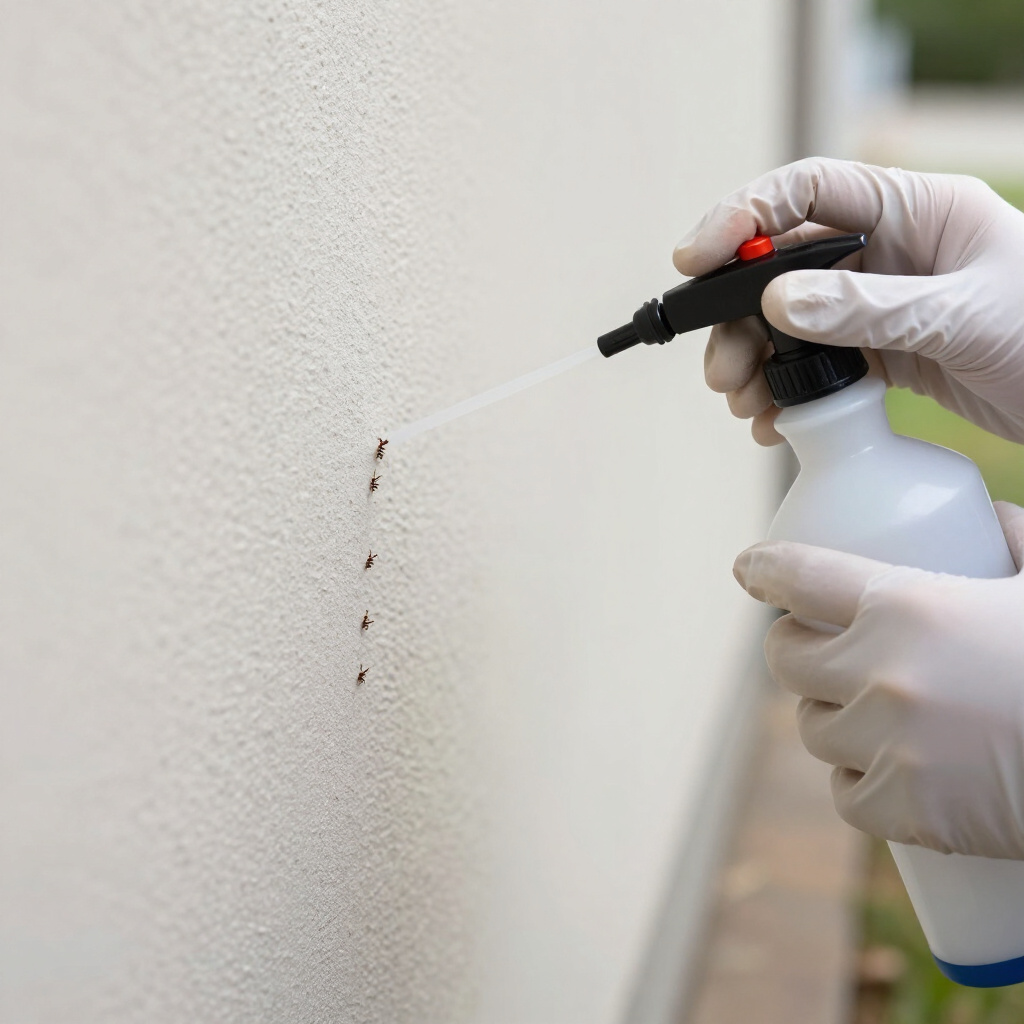


Pests don't take vacations—and neither should your home protection plan. From the first thaw of spring to the deep freeze of winter, different invaders are constantly looking for ways into your home. A reactive approach might save you in the moment, but it rarely stops the next wave. That's why a seasonal pest control checklist is one of the smartest investments a homeowner can make. By aligning your prevention efforts with pest behavior throughout the year, you stay ahead of infestations rather than scrambling to fix them.
Why a Seasonal Pest Control Checklist Matters for Year-Round Protection
Pest activity follows predictable patterns driven by temperature, moisture, and breeding cycles. What threatens your home in April looks very different from what you'll face in October. A seasonal pest control checklist helps you anticipate these shifts and take targeted action before problems escalate.
Spring brings awakening insects and nesting rodents. Summer drives populations to peak levels and pushes pests indoors for relief from heat. Fall triggers a frantic search for winter shelter. Winter forces dormant pests deeper into structures or causes unexpected indoor activity when cold snaps hit. Without seasonal awareness, homeowners tend to treat symptoms rather than causes—spraying for ants in July without sealing the entry points they found in May, for example.
The financial and health benefits of proactive control add up quickly. Preventing a termite colony from establishing itself saves thousands in structural repairs. Blocking rodent access eliminates contamination risks and electrical fire hazards from chewed wiring. Consistent seasonal attention also reduces your dependence on intensive chemical treatments, favoring prevention and targeted intervention instead.
Your Complete Seasonal Pest Control Checklist
Breaking your efforts into four distinct phases keeps tasks manageable and timing optimal. Here's what belongs on your calendar each season.
Spring (March–May): Start with exterior inspection and repair. Examine your foundation for cracks, gaps around utility penetrations, and deteriorated weatherstripping. Clean gutters thoroughly—standing water and decaying debris attract mosquitoes and provide breeding sites. Trim shrubs and tree branches back from your roofline and walls to eliminate bridges for ants, spiders, and rodents. Turn attention to your yard: remove leaf litter, stack firewood away from the house, and address drainage issues. Inside, inspect basements and crawl spaces for moisture problems that draw springtails, silverfish, and carpenter ants. Replace damaged window screens and ensure attic vents have intact hardware cloth.
Summer (June–August): Peak pest season demands vigilance. Maintain your yard weekly—keep grass short, eliminate standing water in birdbaths and plant saucers, and harvest garden produce promptly. Inspect outdoor garbage bins for tight seals and clean them regularly. Monitor for wasp and hornet nests in eaves, sheds, and play structures; early removal prevents dangerous colonies. Indoors, focus on food storage and kitchen cleanliness. Store dry goods in sealed containers, wipe counters nightly, and don't let pet food sit out. Check under sinks and around appliances for moisture leaks that sustain cockroach and ant populations. If you spot increased activity, identify the species correctly before treating—mistaken identity leads to ineffective solutions.
Fall (September–November): This is prevention's most critical window. Rodents, stink bugs, boxelder bugs, and cluster flies are actively seeking winter harborage. Seal every potential entry point: gaps under garage doors, spaces around pipes and conduits, foundation cracks wider than a quarter-inch, and damaged soffits. Install door sweeps and repair torn screens. Move firewood to a covered rack at least twenty feet from your home. Clean and inspect your chimney before first use—it's a common entry point for birds, squirrels, and bats. Inside, declutter storage areas where rodents would nest. Inspect holiday decorations before bringing them in from attics or garages; boxes often harbor spiders or stowaway mice.
Winter (December–February): Cold weather doesn't mean pest peace. Rodents already inside become more visible as they forage actively. Continue trapping and monitoring in basements, attics, and kitchen areas. Inspect for new gnaw marks, droppings, or nesting materials. Check that previous sealing work has held—freeze-thaw cycles can reopen gaps. Maintain interior dryness; heated air plus humidity from daily living creates condensation that sustains pests in crawl spaces and wall voids. Use this slower season to schedule professional inspections for termites and bed bugs, which can be active year-round and often go unnoticed until established.
Key Tips for Making Your Checklist Stick
Consistency separates effective homeowners from those constantly fighting losing battles. A few practical habits dramatically improve your results.
Document everything. Keep a simple home maintenance log noting inspection dates, what you found, and repairs completed. Photograph problem areas before and after treatment. This record reveals patterns over time—perhaps ants always appear near the east foundation after heavy rain, or mice enter consistently through the garage.
Partner strategically with professionals. DIY efforts handle many seasonal tasks, but certain situations warrant expert involvement: termite monitoring, bed bug suspicion, recurring wildlife issues, or any infestation affecting sensitive individuals like young children or those with respiratory conditions. A reputable pest control professional can also identify vulnerabilities you've missed and provide targeted treatments that complement your prevention work.
Adapt to your property's specific risks. Homes near wooded areas face heavier tick, mosquito, and rodent pressure. Urban properties may contend with roaches and rats from neighboring structures. Older homes typically have more entry point challenges. Water-adjacent properties attract moisture-loving pests. Customize your seasonal pest control checklist accordingly rather than following generic advice blindly.
Finally, involve your household. Pest prevention fails when one family member leaves dog food out overnight or brings in firewood without inspection. Brief everyone on the seasonal priorities and their role in supporting them.
Final Thoughts
A seasonal pest control checklist transforms pest management from crisis response into calm, confident prevention. By working with nature's rhythms rather than against them, you protect your home's structure, your family's health, and your peace of mind through every month of the year. Start with the season you're in now, complete its priorities thoroughly, and build the habit of quarterly review. The small, consistent efforts you make today prevent the stressful, expensive emergencies that catch unprepared homeowners tomorrow.