
Termites are often called "silent destroyers" for good reason. These tiny pests can chew through wood, flooring, and even wallpaper undetected for months or years, causing thousands of dollars in damage before you ever realize they've moved in. By the time most homeowners spot obvious signs of termites, an established colony is already hard at work. Knowing what to look for early can save your home—and your wallet. Here are the key warning signs you should never ignore.
Signs You May Have Termites in Your Home
Understanding the early indicators of a termite infestation gives you the best chance of stopping damage before it becomes severe. Termites operate quietly and prefer hidden, moist environments, which means you'll need to be proactive about inspection.
One of the most telling signs you may have termites is the presence of mud tubes. Subterranean termites build these pencil-thin tunnels from soil, wood particles, and saliva to travel between their underground colony and food sources above ground. You'll typically find mud tubes along foundation walls, crawl spaces, or exterior surfaces. Break one open—if live termites spill out, you have an active infestation.
Another major red flag is hollow-sounding or damaged wood. Termites consume wood from the inside out, leaving a thin veneer that may look perfectly normal. Tap on wooden structures, especially in basements, attics, and around windows. If it sounds papery or hollow, termites may have already done significant internal damage. You might also notice blistering or darkening on wood surfaces, which resembles water damage but is actually caused by termite activity beneath the surface.
Discarded wings near windowsills, doors, or light fixtures are another classic warning. Reproductive termites, known as swarmers, emerge in spring to start new colonies. After mating, they shed their wings, which often pile up in small, unmistakable heaps. Finding these wings indoors almost always means a colony is nearby—either inside your home or very close to your foundation.
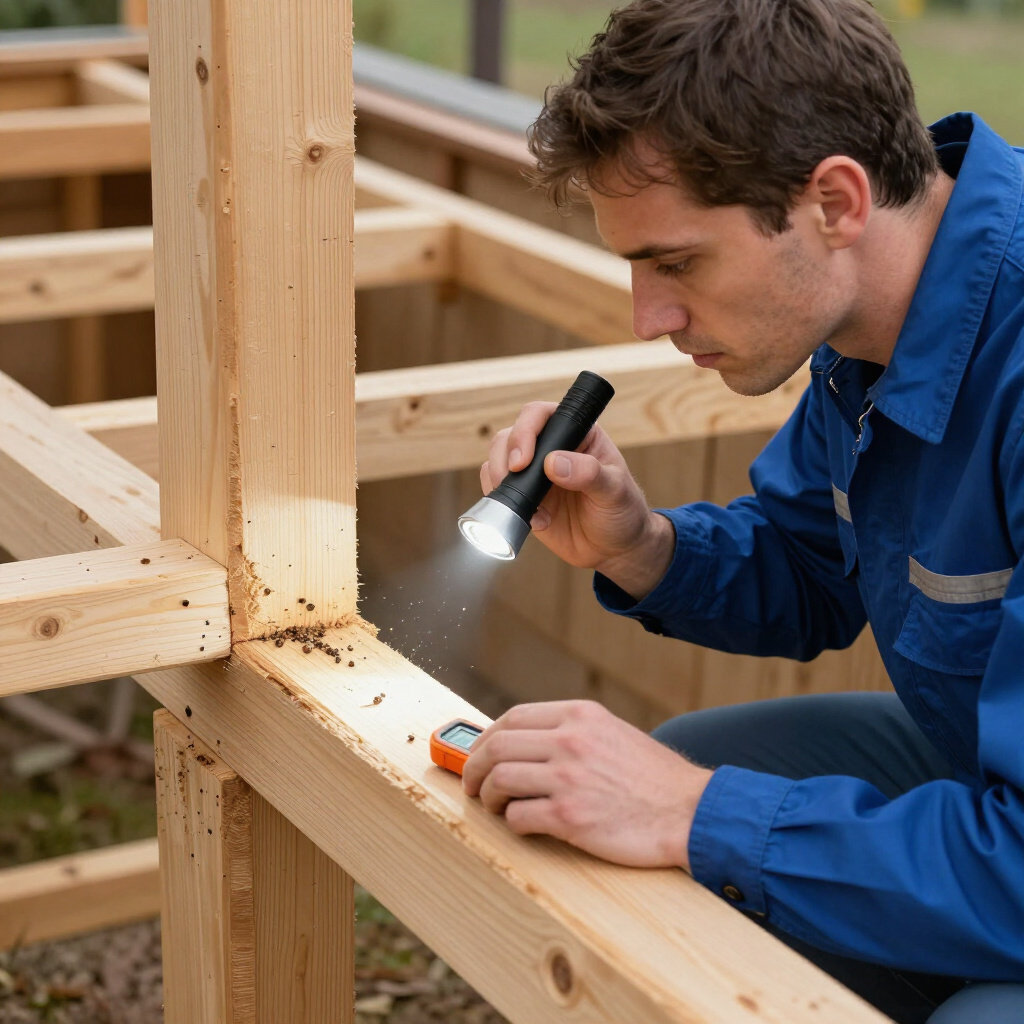
Frass, or termite droppings, is common with drywood termite species. These tiny, wood-colored pellets look like sawdust or coffee grounds and accumulate below infested areas. Unlike subterranean termites, drywood termites don't use mud tubes, so frass is often your most visible clue with this species.
Damaged or bubbling paint can also signal trouble beneath the surface. As termites introduce moisture into walls, paint may begin to peel, bubble, or appear water-damaged. Doors and windows that suddenly become difficult to open or close could indicate warping from termite-related moisture or hidden tunneling in surrounding frames.
Where to Look for Hidden Termite Activity
Termites thrive in areas you rarely examine, so targeted inspections matter. Start in your crawl space or basement, where moisture levels tend to be highest. Check where wood meets concrete or soil, as these transition points are prime entry zones. Inspect attics for damaged rafters, wooden support beams, and any exposed wood that contacts the roof or exterior walls.
Outside your home, examine the foundation perimeter carefully. Look for mud tubes climbing walls, especially after rain. Check woodpiles, tree stumps, and mulch beds touching your home's exterior—these can serve as bridges for termites seeking entry. Damaged or damp siding, loose roof tiles, and clogged gutters that cause water accumulation near the foundation all create inviting conditions for termites.
Don't overlook interior spaces. Soft or sagging floors, especially in bathrooms and kitchens where plumbing may create moisture issues, deserve attention. Baseboards that crumble easily when pressed, or wooden trim with unexplained holes or grooves, may indicate active feeding. Even small cracks in walls or ceilings can develop as termites compromise structural wood behind the scenes.
Key Tips for Protecting Your Home
Prevention and early detection go hand in hand when dealing with termites. Reduce moisture around your property by repairing leaky faucets, improving drainage, and ensuring gutters direct water well away from your foundation. Keep firewood, lumber, and cardboard storage elevated and at least twenty feet from your home's exterior. Trim shrubs and tree branches so they don't touch your house and create shaded, humid pathways.
Schedule professional inspections annually, even if you haven't noticed signs you may have termites. Pest control experts have specialized tools—moisture meters, thermal imaging cameras, and acoustic sensors—that detect activity invisible to the untrained eye. If you live in a high-risk region or your neighbors have recently dealt with infestations, more frequent inspections are wise.
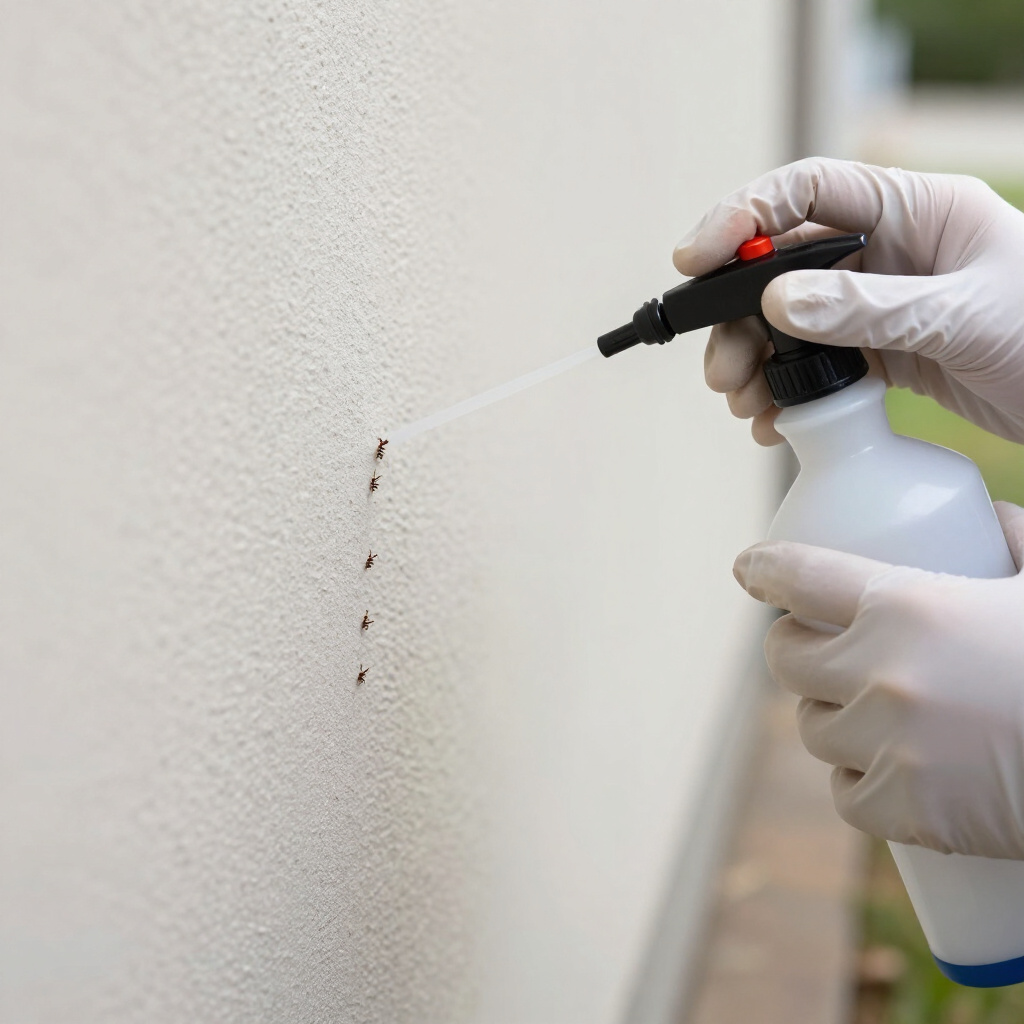
Never disturb suspected termite activity before professional evaluation. Breaking open mud tubes or spraying over-the-counter insecticides can scatter colonies and make treatment more difficult. Document what you've found with photos and notes, then contact a licensed pest control professional promptly.
Consider pretreatment or preventive barriers if you're building new or renovating. Soil treatments, bait systems, and physical barriers installed during construction provide long-term protection that's far more affordable than repairing extensive damage later.
Final Thoughts
Termites cause more property damage annually than fires, floods, and storms combined—yet standard homeowners insurance almost never covers the destruction. This reality makes vigilance essential. The signs you may have termites are often subtle, but they're absolutely detectable if you know what to watch for. Mud tubes, hollow wood, discarded wings, frass, and moisture-damaged surfaces all demand immediate attention.
Your home is likely your largest investment. Protecting it from termites isn't about paranoia; it's about smart, proactive maintenance. If you notice any of the warning signs described here, don't wait for confirmation or hope the problem resolves itself. Contact a qualified pest control professional who can assess the situation accurately and recommend a treatment plan tailored to your specific infestation and home construction. Early action today prevents devastating costs tomorrow.