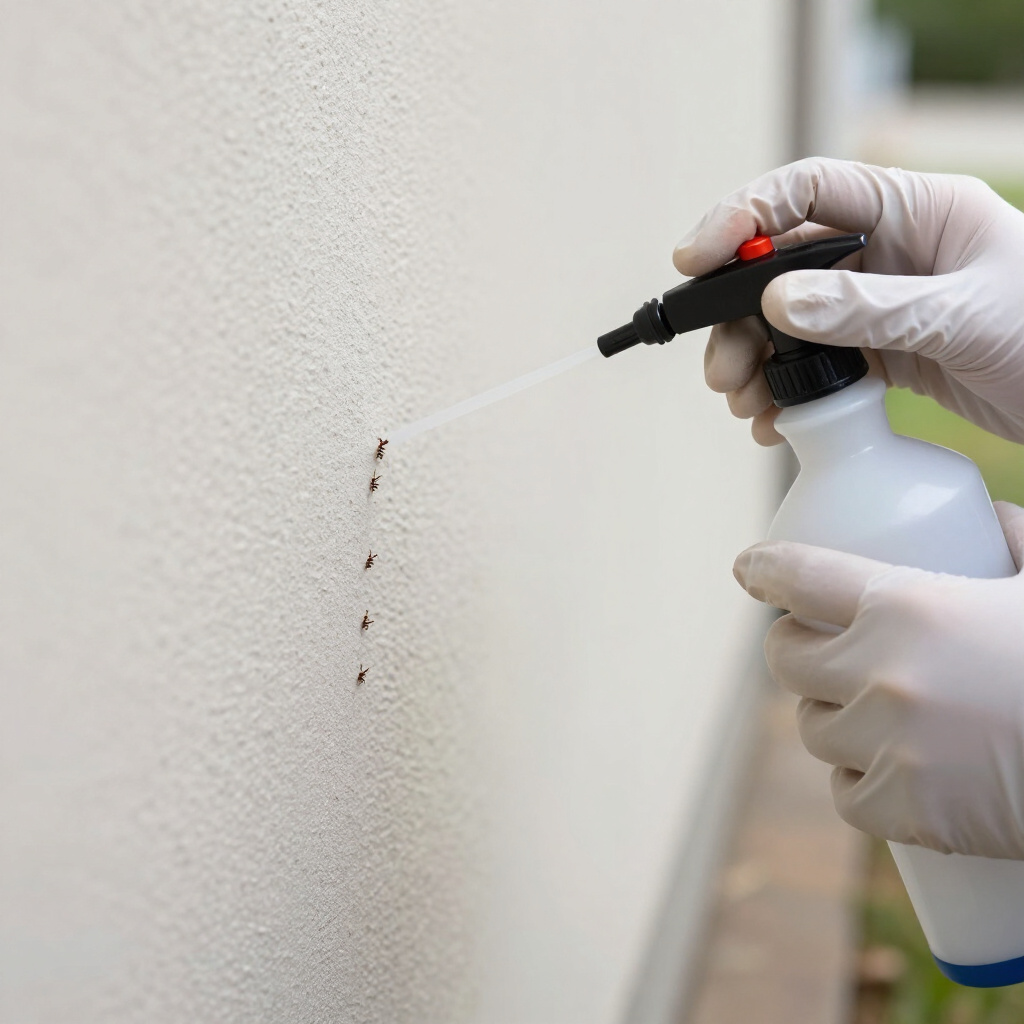
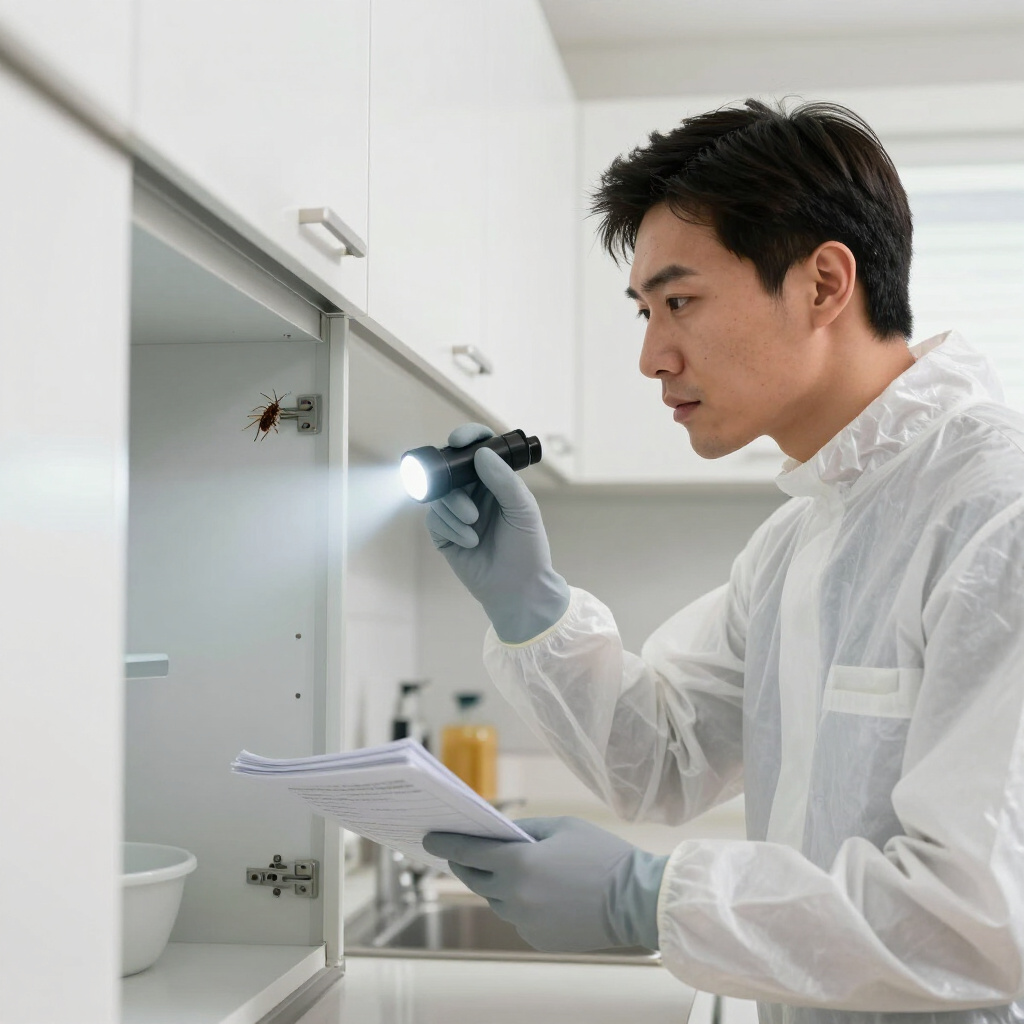
Most homeowners have been there: you spot a single ant on the counter or hear a faint scratching in the walls and wonder, "Is this something I can handle myself, or is it time to call in the experts?" Knowing when to call a pest control professional can save you money, protect your family's health, and prevent costly damage to your home. While DIY solutions work for minor, isolated issues, some situations demand trained expertise. Here's how to tell the difference.
When to Call a Pest Control Professional for Persistent Infestations
One of the clearest signs you need professional help is persistence. If you've tried store-bought sprays, traps, or home remedies and the pests keep coming back, you're likely dealing with a larger problem than surface-level activity suggests.
Pests such as ants, cockroaches, and rodents establish hidden nests and colonies that DIY treatments rarely reach. You might eliminate the visible few while missing the hundreds—or thousands—living behind walls, under floors, or in crawl spaces. A pest control professional has the training to locate these breeding grounds and apply targeted treatments that address the root cause, not just the symptoms.
Watch for these persistent warning signs:
- Seeing pests during daylight hours when they typically hide
- Finding droppings, shed skins, or egg casings on a regular basis
- Noticing damage that worsens despite your efforts
- Smelling musty or ammonia-like odors that don't dissipate
When pests establish themselves thoroughly, they become increasingly resistant to over-the-counter products. Continuing to treat the problem yourself often wastes money and allows the infestation to grow more entrenched.
Health and Safety Risks That Warrant Expert Intervention
Some pest situations pose genuine health hazards that make professional intervention the safest choice. Rodents carry diseases such as hantavirus and salmonella, while their droppings and urine can trigger allergic reactions and asthma attacks. Cockroaches spread bacteria and their shed skins and droppings are known asthma triggers, particularly dangerous for children.
Stinging insects present another serious concern. Attempting to remove a wasp or hornet nest yourself can result in multiple painful stings and, for those with allergies, potentially life-threatening anaphylaxis. Professionals have protective equipment and techniques to eliminate these nests safely.
Wildlife intrusions—bats, raccoons, squirrels, or skunks—also require expert handling. These animals can carry rabies, and their removal often involves legal protections or specific relocation requirements. A licensed pest control professional understands local regulations and has the proper equipment to handle wildlife humanely and lawfully.
Additionally, certain pests like bed bugs spread rapidly and are notoriously difficult to eradicate without professional-grade heat treatment or specialized insecticides. Attempting DIY bed bug elimination often spreads the infestation to other rooms as the insects flee treated areas.
Structural Damage and Property Threats
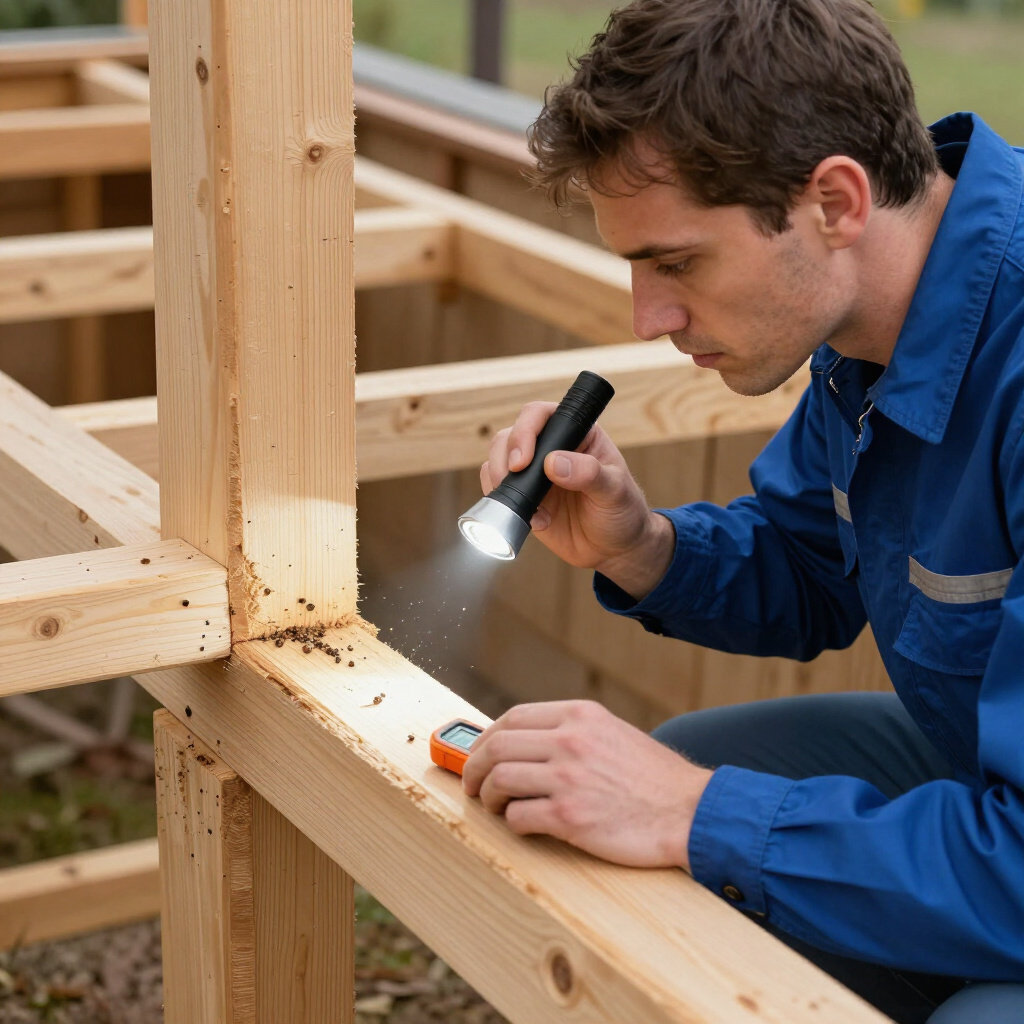
Perhaps no pest threat is more financially devastating than termites. These silent destroyers can compromise your home's structural integrity before you notice obvious signs. By the time you see swarming termites, mud tubes, or hollow-sounding wood, significant damage may already exist. Annual professional inspections and immediate treatment upon discovery are essential investments in your property's longevity.
Carpenter ants and carpenter bees also damage wooden structures, though their methods differ. Carpenter ants excavate galleries in moist or decaying wood, while carpenter bees bore perfectly round holes into exposed wood surfaces. Both require professional assessment to determine the extent of damage and appropriate treatment.
Other property-threatening situations include:
- Powderpost beetles tunneling through hardwood floors and furniture
- Clothes moths and carpet beetles destroying textiles and upholstery
- Rodents chewing through electrical wiring, creating fire hazards
- Silverfish damaging books, photographs, and important documents
A pest control professional can identify the specific species causing damage and implement targeted strategies that preserve your home and belongings.
Key Tips for Deciding Between DIY and Professional Help
Still uncertain whether to handle a situation yourself? Consider these guidelines to make an informed decision.
DIY may suffice when: You notice one or two isolated insects with no signs of nesting, no property damage, and no recurrence after initial treatment. A single spider in the basement or occasional fly during summer months typically doesn't require professional intervention.
Call a professional when: You identify multiple pests or signs of activity, notice damage of any kind, have health-compromised family members, or feel uncomfortable handling the situation yourself. Trust your instincts—uncertainty often signals that expert assessment is warranted.
Before hiring, research local companies thoroughly. Look for proper licensing, positive customer reviews, and transparent pricing. Reputable professionals will inspect your property, explain their findings, discuss treatment options, and provide prevention recommendations without pressuring you into immediate decisions.
Ask about integrated pest management (IPM) approaches that minimize chemical use through prevention, monitoring, and targeted treatments. The best pest control professionals focus on long-term solutions rather than repeated chemical applications.
Finally, consider establishing an ongoing maintenance relationship. Quarterly or seasonal inspections catch problems early, often preventing the extensive infestations that require intensive—and expensive—intervention.
Final Thoughts
Knowing when to call a pest control professional comes down to assessing the severity, health implications, and persistence of your pest problem. Minor, isolated incidents often resolve with simple DIY measures, but recurring activity, structural damage, health risks, or simply your own peace of mind warrants expert assistance.
The goal isn't to eliminate every insect from your property—some beneficial species contribute to healthy ecosystems around your home. Rather, effective pest management means protecting your family's wellbeing and your property's value through timely, appropriate action. When in doubt, consulting a professional provides clarity and ensures that small concerns don't become major crises.
Your home represents a significant investment, and your family's health is irreplaceable. Recognizing the limits of DIY pest control and engaging professional expertise when circumstances demand it isn't an admission of defeat—it's smart, responsible homeownership.